I wrote this essay back in February 2023.
During February 2023, I attended an illuminating workshop hosted by HighlandLIT about memoir writing. It was presented by Cynthia Rogerson, who spoke about the nature of “truth” when writing autobiography and how it crosses over with writing fiction. She argued that every writer writes from their unique perspective, which is drawn from their real lives and experiences — even when they’re writing historical fiction, or about the fantastical, or science fiction.
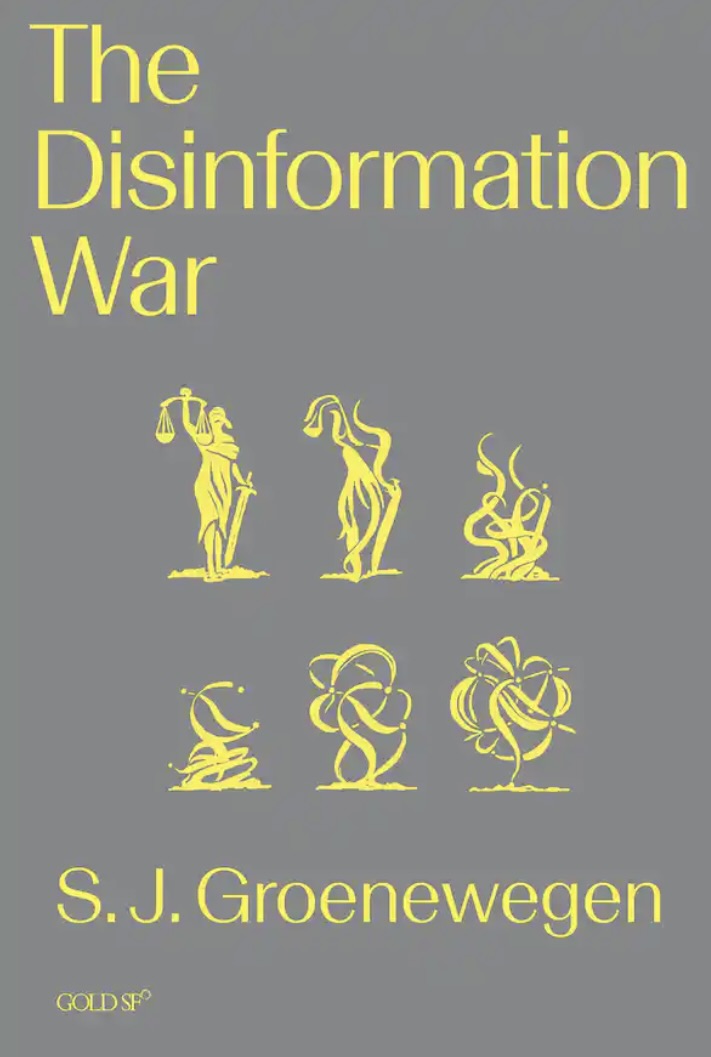
The workshop prompted me to think about my novel, The Disinformation War, in the context of how my life influenced the story and characters.
In the first instance, it’s not autobiographical. By that I mean I haven’t included any specific episodes from my life and none of the characters are based even lightly on anyone I know. However, I recognise tics in my writing that reflect the way I interpret the world. I also extrapolated ideas from events and behaviours from the news and — broadly — from my lived experience as a civil servant.
That’s the magpie nature of a writer. Keen observation, and describing the elements relevant to bringing a story to life. It’s what engages an audience, or repels them if it’s done wrongly.
I “rage-wrote” the first version of The Disinformation War ten years ago. I was angry at government policies designed to both push more people into poverty and to punish those people for becoming poor. I had one of those rare moments that I can only describe as a waking dream where an insistent character demanded her story be told. That character was Kayla, the main protagonist in The Disinformation War.
Kayla is an undiagnosed autistic adult. She was that from my first sketch of her as a character back in 2013. At the time I didn’t know that I was an undiagnosed autistic adult, but clearly my subconscious brain was working through all that. Anyway, we share a few characteristics but mostly Kayla is different to me. I don’t have touch sensitivity like she does and while I have a strategic understanding of programming and the internet, my brain doesn’t do the practical details like hers does.
Kayla is also aroace, and from a working class background that experienced a brief stint in the upper middle classes. Her maternal grandfather was Black and maternal grandmother was white; I deliberately don’t say anything about her paternal family. I’m white, aromantically gay, and from a solidly middle class background. I’m a migrant to the UK, and Kayla isn’t. What was and is happening to migrants, especially BPOC migrants, worried and angered me, too. Not only in the UK, but everywhere around the world. Still does. All of this is evident should you choose to read my novel.
For several reasons, I put my first draft of the novel to one side. I didn’t pull it out again until I left the civil service and saw the first call by GoldSF for pitches.
During those years when I left the novel alone, I learned a lot about racism and classism. I also learned a lot about “own voices”, and about the responsibilities for all writers and creators to really think about whether they are the best person to tell a particular story in a particular way. Professor Sunny Singh is one who articulated that last question, and similar, which I found invaluable when revising what’s become The Disinformation War.
Which brings me back to what Cynthia Rogerson spoke about at the workshop. Telling stories is about picking and choosing what to share, and how. Those choices are made often with more than one reason in mind, and these can change over time. That’s the nature of creativity. To me, it’s perhaps not so much about “truth” but honesty. One main theme of The Disinformation War is asking the question about what people in all honesty might do when politics turns a particular way.
© 28 February 2023
Leave a Reply