
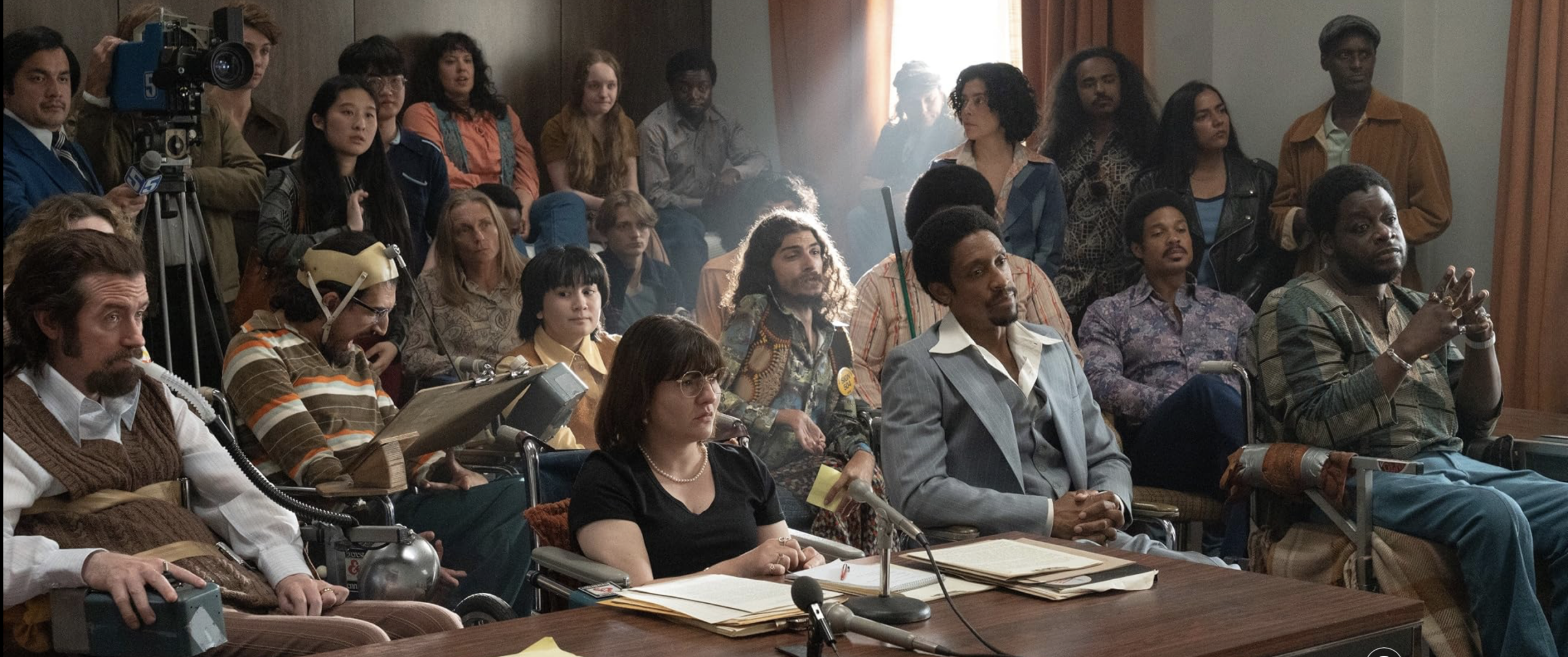
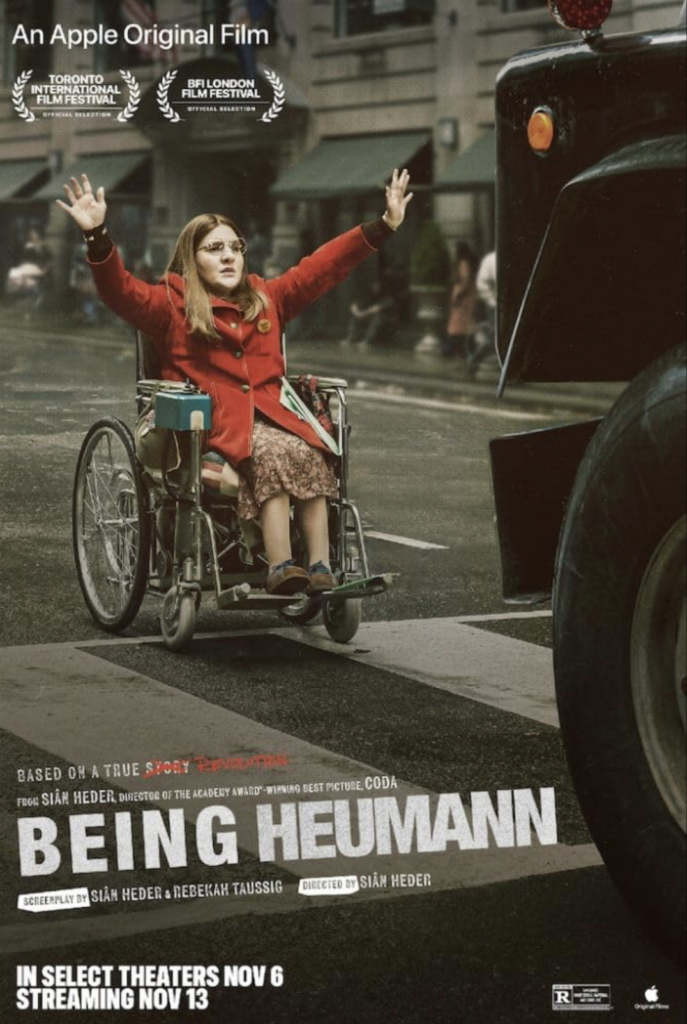
This week I watched the Apple TV film, Being Heumann. It’s a biopic focussed on disability rights activist Judy Heumann who led a sit-in and rolling protests aimed at getting the USA’s federal government to enact passed legislation that would – if fully rolled out – revolutionise the lives of millions of disabled people in the country.
Disability rights is a topic I know a bit about, although I wasn’t aware of Judy Heuman. To note that I’m an Aussie who now calls Scotland home and not an American. I’ve visited the USA a few times, have a few friends from there, and know many more people there thanks in large part to the internet. Before my career started in law enforcement/ criminal justice, I had two jobs during the 1990s in the Australian public sector, in departments that involved the rights of disabled people.
Different country, different decade, but a lot of the Australian policies were similar to the USA’s federal policies of the 1970s. I also know a smidge about politics in the USA.
I say all that for context. I’m neither an expert nor an ignoramus about the subject matter of the film.
First up, it’s a feisty at times, kick-ass most of the time, depiction of a serious battle in the history of civil rights in the USA. In its slightly over two hours of running time it packs a lot in about intersectionality in practice, and contains a few allies who learn and show how to be good, solid allies. The movie is about an incredibly diverse set of characters who work together, fall out, compromise, and battle on. Ruth Madeley plays New Yorker and paraplegic Judy Heumann, who gives the film its puntastic title, but the cast is in effect an ensemble one. That strengthens the points made in the film about the original movement and protests, I think.
Secondly, but by no means less importantly, the film shows progressive politicians in power who hide behind pragmatism to dodge doing what they know needs to happen. To be fair, they are drowning in a post-Nixon political world. But, they are depicted as weasels in almost every figurative way, eventually coming through for the one stated aim of the protestors.
Thirdly, and this is perhaps one of the most heartening, important points of the movie, Madeley and many more of the cast are disabled, which in and of itself is worth celebrating. I’ll get to why soon.
I have been reading a bunch of books lately that detail the USA’s present descent into outright fascism. Of relevance to this film, the current US Secretary for Health is an out-and-out eugenicist. He’s not the only one with those views in the present federal cabinet, and please don’t be fooled by statements to the contrary in the aftermath of the mid-term elections.
Thinking about all that made me wonder about who this film is for, and why make it now? I expect the people who – like me – will watch it are fairly well-versed in disability politics in the USA. It was a useful reminder about progress, that stalled, then more progress, that stalled… and there is a nod the issues being state-based, too. It is important to communicate with each other, and to keep focussed on the objective of human rights for all.
It might also be watched by a fair few people who need the reminder about the hard work of protest and progressive politics, even when you’ve got supportive allies in power. Oh, and those are good lessons to learn via the medium of film, by the way. It’s not all fun and games. Our opponents are violent and in some ways ruthless. In other ways not so ruthless, but that’s a different story.
I know who won’t watch it. Those in power now who are re-running the worst of the Nixon years. But, then, I’m not sure this film is for them, anyway. I did notice that the film seems to aim nearly everything at the Democratic Party, and at one point wondered if it was giving the Republican Party of Nixon and Reagan a relatively easy pass. Then I realised they’re not really relevant to the story being told in the film.
It’s not the place of this film to launch into a rant about today’s political fights in the USA and elsewhere. I happen to be nearing the end of reading Naomi Klein and Astra Taylor’s book called End Times Fascism and read this pertinent question:
“If we want to defeat the forces drawing sadistic enjoyment from destruction, what other forms of emotional catharsis and fulfilment can we offer to aggrieved and hopeless people? And how can we build movements that entice potential allies to cease being spectators as the world burns and help them find hope, and even pleasure, in political participation?”
Naomi Klein and Astra Taylor, 2026, page 279.
I think that films like Being Heumann can help remind ourselves that tough fights have been fought and won before when we work together. Sian Heder and the entire cast and crew have created a wonderful film that neither makes light of the fight, nor casts it as a hopeless endeavour. Having so many disabled people involved in making the film is one major contributing factor as to why. Nothing about us without us in action.
Go see if it if you can and haven’t already.
Leave a Reply